
Comprehensive Guide for Buyers: How to Select a Reliable Stainless Steel Pipes and Fittings Supplier
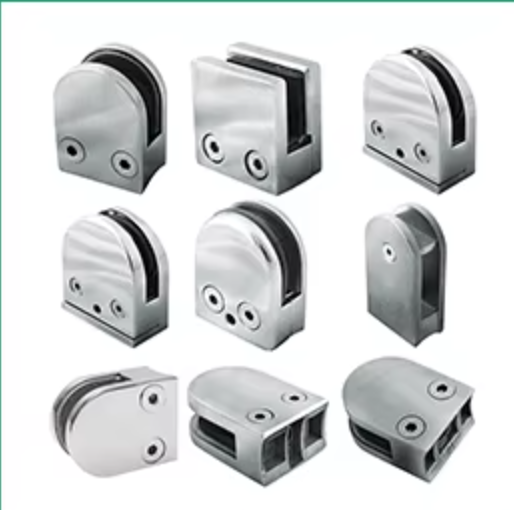
For procurement professionals in the construction, interior design, and manufacturing sectors, sourcing high-quality stainless steel pipes and fittings is a critical task that directly impacts project integrity, aesthetics, and long-term durability. The global market offers a vast array of suppliers, making the selection process complex. This guide provides a structured, professional framework to help buyers efficiently identify and evaluate reputable suppliers for products such as stainless steel round pipe, stainless steel square pipe, stainless steel elbow, glass clamps, and sliding door fittings.
1. Define Your Technical and Commercial Requirements
Before initiating contact with suppliers, clearly define your project's specifications. This foundational step narrows down the search and ensures productive communication.
- Material Grade: Determine whether your application requires the standard corrosion resistance of 304 stainless steel or the enhanced marine/chemical resistance of 316 stainless steel.
- Product Range: List all required components. A comprehensive supplier can provide everything from primary structural elements (stainless steel pipes, stainless steel bar) to finishing accessories (stainless steel end caps, decoration ball, stainless steel cable).
- Finish & Aesthetics: Specify the desired surface finish (e.g., satin, mirror, or colored finishes for Stainless Steel Color Pipe).
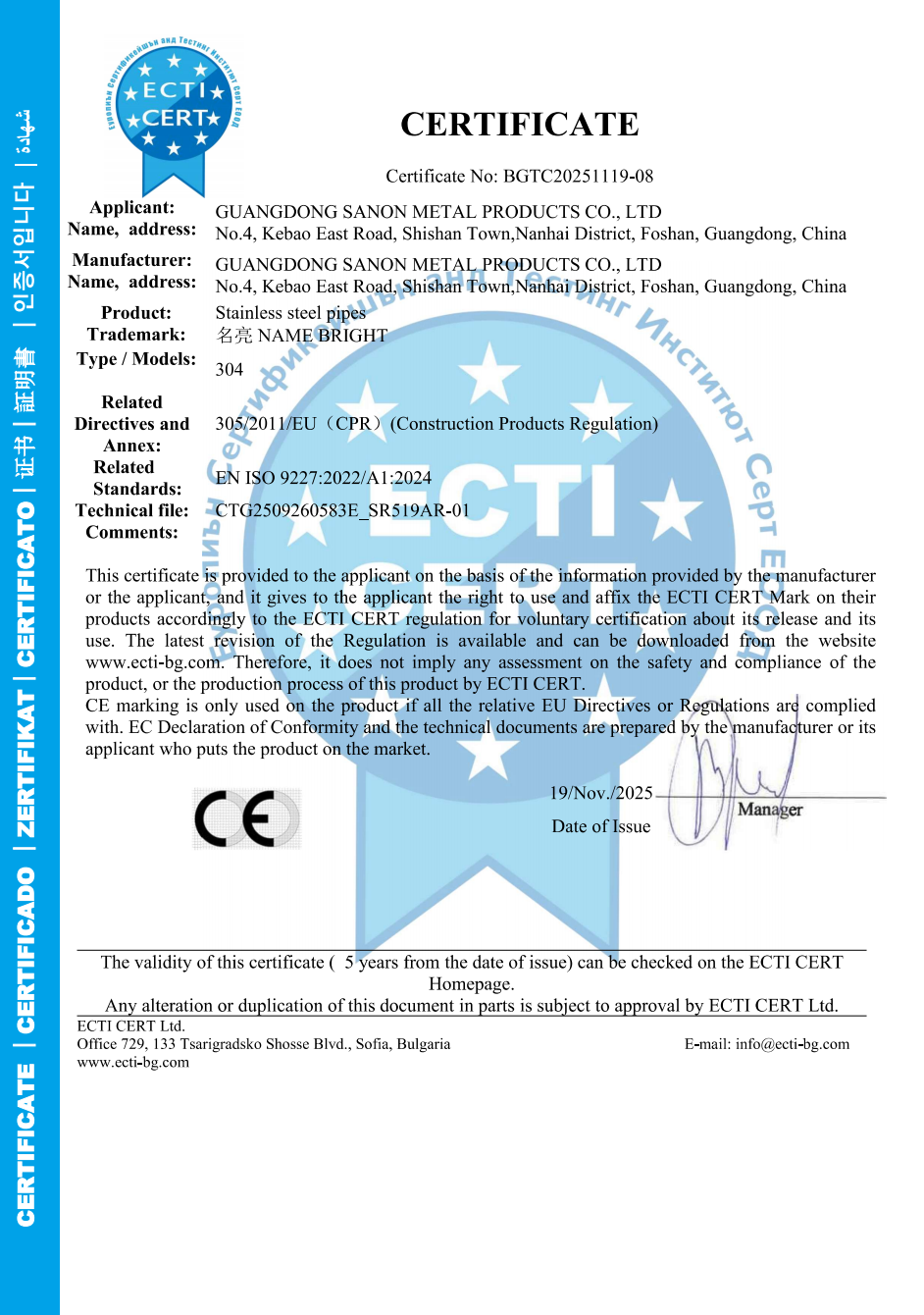
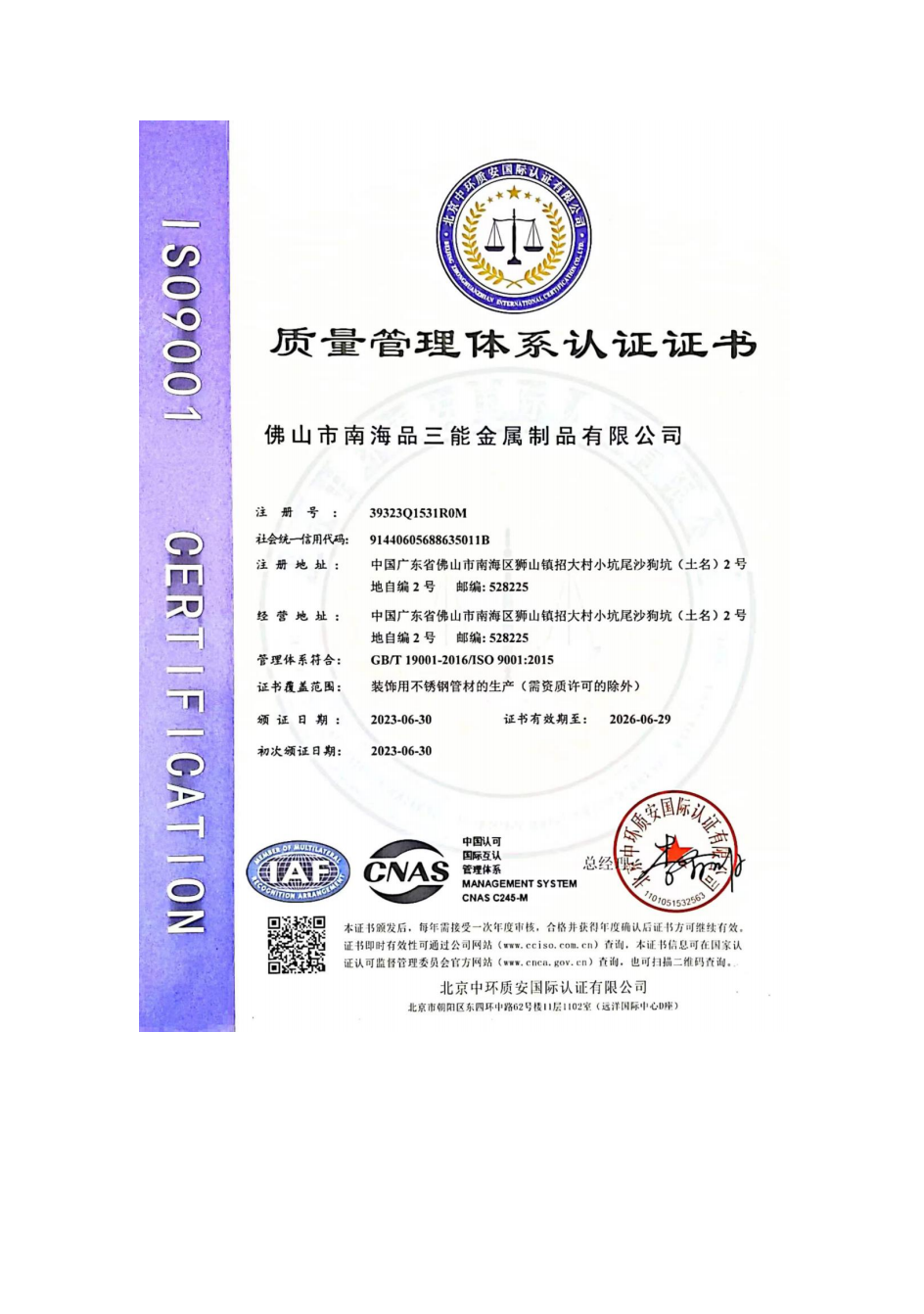
- Certifications: Mandate compliance with international standards. Look for suppliers holding ISO 9001 for quality management, CE certification for European market access, and ISO 14001/45001 for environmental and occupational health commitment.

2. Evaluate Supplier Manufacturing Capability and Scale
A supplier's physical and operational scale is a strong indicator of reliability and capacity to fulfill large or urgent orders.
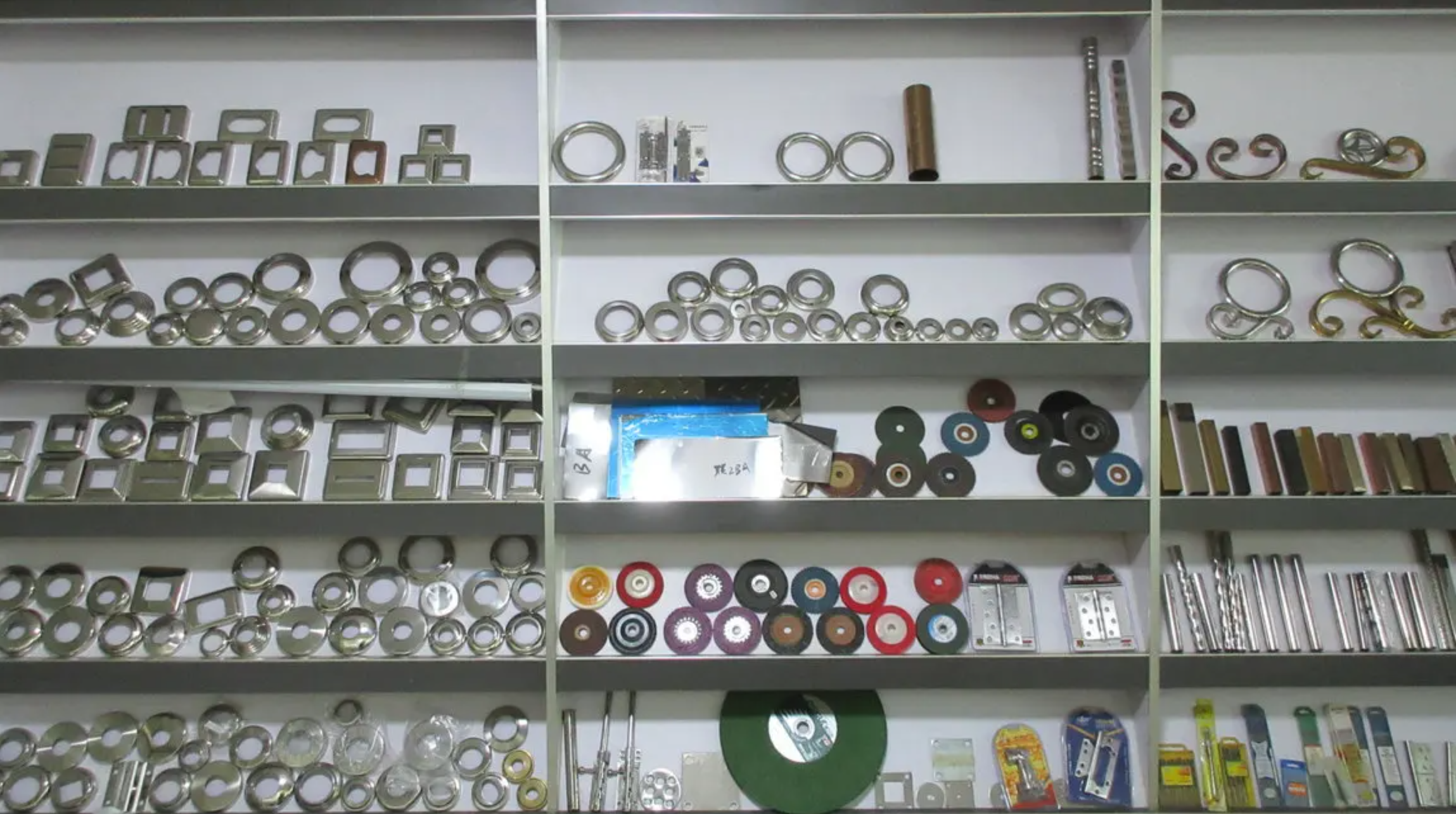
- Factory Audit: Prefer suppliers who are transparent about their facilities. For instance, Foshan Nanhai Sanon Metal Product Co., Ltd. (Sanon) operates from a 20,000 square meter facility in Foshan, a major industrial hub in China, with a production capacity of 5,000 tons of stainless steel pipe per month.
- Vertical Integration: Suppliers controlling the entire process from raw material to finished product (cutting, welding, polishing) typically ensure better quality consistency and lead times.
- Customization Ability: Verify if the supplier offers custom fabrication for non-standard items like specific stainless steel bend angles or unique stainless steel bracket designs.
3. Scrutinize Quality Control Processes
Consistent quality is non-negotiable. A reputable supplier will have documented and verifiable quality control (QC) protocols.
- In-Process Inspection: Inquire about QC checkpoints during manufacturing stages like polishing and welding. This prevents defects from progressing down the line.
- Final Inspection & Testing: Suppliers should conduct final dimensional checks, surface finish evaluation, and material verification before packing.
- Certification Proof: Request valid copies of relevant certificates. A supplier like Sanon, which holds ISO 9001:2015 and CE certificates, demonstrates a formal commitment to quality systems.
4. Assess Market Reputation and After-Sales Support
Long-term supplier relationships are built on trust and support beyond the initial sale.
- Company Longevity: Experience often correlates with stability and accumulated expertise. A company with 20 years in the industry, such as Sanon, has likely navigated various market cycles and technical challenges.
- Client Portfolio & References: Ask for case studies or references from projects similar to yours, especially those involving railing flange systems or glass standoffs installations.
- Communication & Service: Evaluate responsiveness and technical knowledge during inquiries. A professional supplier provides clear contact channels (e.g., phone/WhatsApp: +8613536681776, email: sales@sanoninox.com).
- Logistics & Warranty: Confirm shipping capabilities, packaging standards to prevent transit damage, and the terms of any product warranty or after-sales support.
5. Comparative Analysis of Supplier Types
Understanding the landscape helps in positioning potential partners. Here is a brief comparison of different supplier profiles in the stainless steel fittings sector.
| Supplier Type | Typical Strengths | Considerations for Buyers | Example Company |
|---|---|---|---|
| Integrated Manufacturer | Full control over production, quality, and cost; high capacity for bulk orders; strong customization. | May have higher MOQs; best for large-scale or specialized projects. | Foshan Nanhai Sanon Metal Product Co., Ltd. (Sanon) |
| Specialized Fittings Producer | Deep expertise in a niche, such as high-precision stainless steel pipe connector or architectural door handle. | Product range may be limited; may source raw pipes from other mills. | Various regional specialists in hardware hubs. |
| Large Trading Company | Extensive product catalog from multiple factories; one-stop-shop convenience. | Less direct control over manufacturing; potential for variable quality between product lines. | Major international distributors based in Hong Kong or Singapore. |
Conclusion
Selecting the right stainless steel pipes and fittings supplier requires a methodical approach that balances technical specifications, manufacturing capability, quality assurance, and commercial terms. By thoroughly evaluating these factors, procurement teams can mitigate risk, ensure project success, and establish valuable long-term supply chain partnerships. For detailed product catalogs including stainless steel slotted pipe, stainless steel oval pipe, and cross bar holder, visiting a supplier's official website like www.sanoninox.com is a recommended step for gathering specific technical data and initiating direct engagement.
Have Questions or Need More Details?
Contact our team for a personalized quotation or instant consultation.
Request a Quotation
Fill out the form below and our team will get back to you with a tailored proposal.
WhatsApp Direct Chat
Prefer to chat in real-time? Message us on WhatsApp for instant assistance & quick answers.
- Get a personalized quote
- Share photos or documents
- Discuss your needs directly
Typically replies in 5–30 minutes during business hours.