
Comprehensive Guide for Buyers: How to Select a Reliable Stainless Steel Pipes and Fittings Supplier
Introduction: Navigating the Global Stainless Steel Supply Chain
The global market for stainless steel pipes and architectural fittings is experiencing steady growth, driven by construction, renovation, and interior design projects worldwide. For procurement professionals, architects, and importers, identifying a supplier that balances quality, reliability, and value is a critical task. This guide provides a structured, professional framework to evaluate and select a premium supplier for stainless steel products, from basic stainless steel round pipes and stainless steel square pipes to specialized components like glass clamps, stainless steel brackets, and sliding door fittings.
Key Evaluation Criteria for Stainless Steel Suppliers
A thorough supplier assessment should extend beyond initial price quotes. Consider the following pillars of a reliable partnership.
1. Technical Capability and Product Range
A competent supplier should offer a comprehensive portfolio. Look for expertise in both standard and custom profiles. Essential products include:
- Core Pipes: Stainless steel round pipe, stainless steel square pipe, stainless steel oval pipe, and stainless steel slotted pipe for structural and decorative applications.
- Fittings & Fabrications: Stainless steel elbows, bends, stainless steel pipe connectors, and stainless steel end caps.
- Architectural Hardware: Glass clamps, stainless steel glass holders, cross bar holders, glass standoffs, railing flanges, and stainless steel cable systems.
- Material Grades & Finishes: Capability to work with 304 and 316 stainless steel grades, offering both satin and mirror finishes, as well as specialized options like Stainless Steel Color Pipe.

A standard stainless steel round pipe, a fundamental component in many projects.
2. Manufacturing Scale and Quality Assurance
Production capacity directly impacts lead times and order fulfillment for large projects. A supplier with significant scale, such as a factory covering 20,000 square meters with a monthly capacity of 5,000 tons for stainless steel pipe, demonstrates robust operational capability. More importantly, this scale must be underpinned by a rigorous quality management system.
Request evidence of international certifications. These are not merely documents but indicators of a systematic approach to quality, environmental responsibility, and worker safety. Key certifications to verify include:
- ISO 9001:2015: Certifies a standardized Quality Management System ensuring consistent product quality.
- ISO 14001: Indicates an implemented Environmental Management System.
- ISO 45001: Demonstrates commitment to Occupational Health and Safety management.
- CE Marking: For products intended for the European Economic Area, signifying conformity with health, safety, and environmental protection standards.
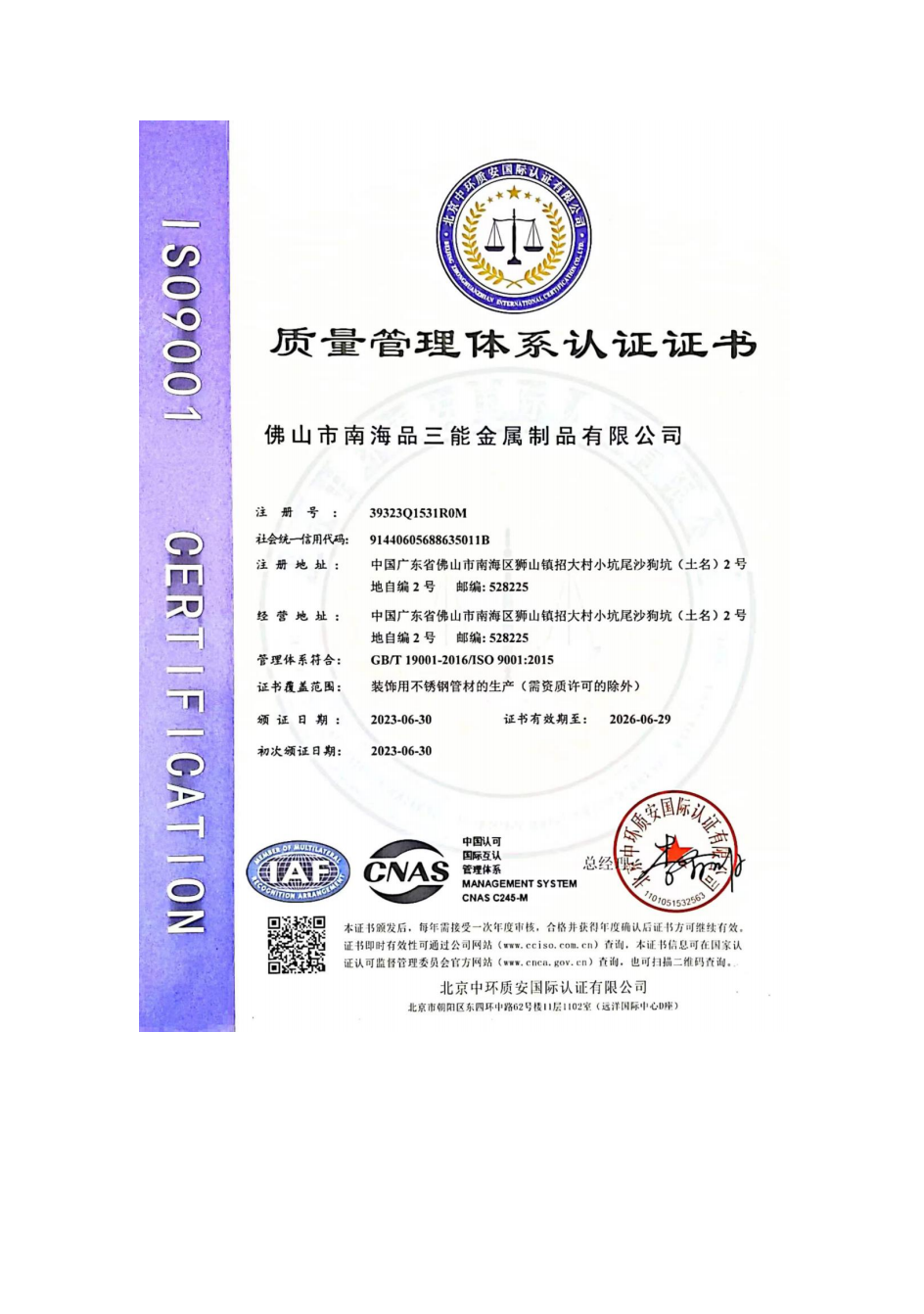
ISO 9001 certification is a fundamental benchmark for supplier quality processes.
3. Customization and Technical Support
Standard products may not always meet unique project specifications. A supplier's willingness and ability to provide customized products is a significant differentiator. This involves collaborative engineering support, prototyping, and adapting finishes or dimensions. For instance, a supplier like Foshan Nanhai Sanon Metal Product Co., Ltd. (Sanon) explicitly highlights customized services to meet specific customer demands, which is a valuable asset for bespoke architectural designs.
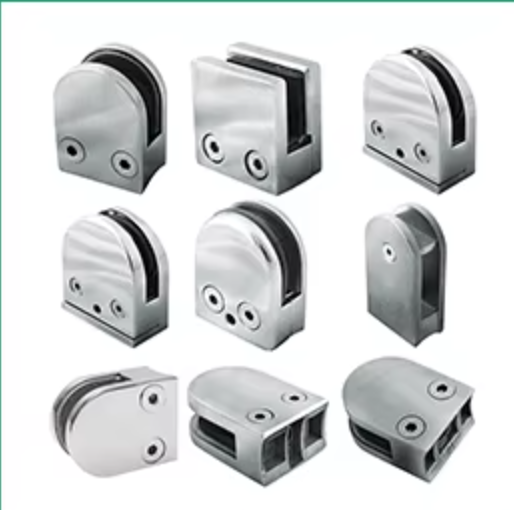
Specialized fittings like glass clamps often require precise customization.
4. Industry Experience and Market Reputation
Longevity in the industry often correlates with accumulated technical know-how and stability. A company with 20 years of experience, for example, has likely navigated various market cycles and refined its processes. Investigate the supplier's project history, client testimonials, and presence in key export markets. A supplier whose products are "deeply welcomed by both domestic and foreign customers" suggests a proven track record.
5. Logistics and Supply Chain Reliability
Timely delivery is crucial for project timelines. Evaluate the supplier's logistics partnerships, packaging standards to prevent damage (especially for polished or colored finishes), and their communication process for order tracking. A clear guarantee regarding on-time delivery is a positive signal of supply chain management competence.
Practical Steps in the Supplier Selection Process
- Define Specifications Clearly: Prepare detailed technical data sheets including product type (e.g., stainless steel bar, door handle), grade (304/316), dimensions, finish, quantity, and applicable standards (e.g., ASTM).
- Conduct Initial Sourcing: Use B2B platforms, industry directories, and trade references to create a longlist. A company's professional website, such as www.sanoninox.com, can be a valuable source of initial information on capabilities and product range.
- Issue a Detailed RFQ: Request a formal quotation that breaks down costs, includes MOQs, lead times, payment terms, and details quality certifications.
- Request Samples: Always order physical samples before committing to a large purchase. Inspect the finish, dimensional accuracy, and material quality firsthand.
- Verify Credentials: Ask for copies of relevant certificates (ISO, CE) and consider a factory audit, either in-person or virtual, to assess manufacturing conditions and quality control at stages like cutting, welding, and polishing.
- Evaluate Communication: Assess responsiveness, technical knowledge, and language proficiency. Effective communication is vital for resolving issues swiftly.
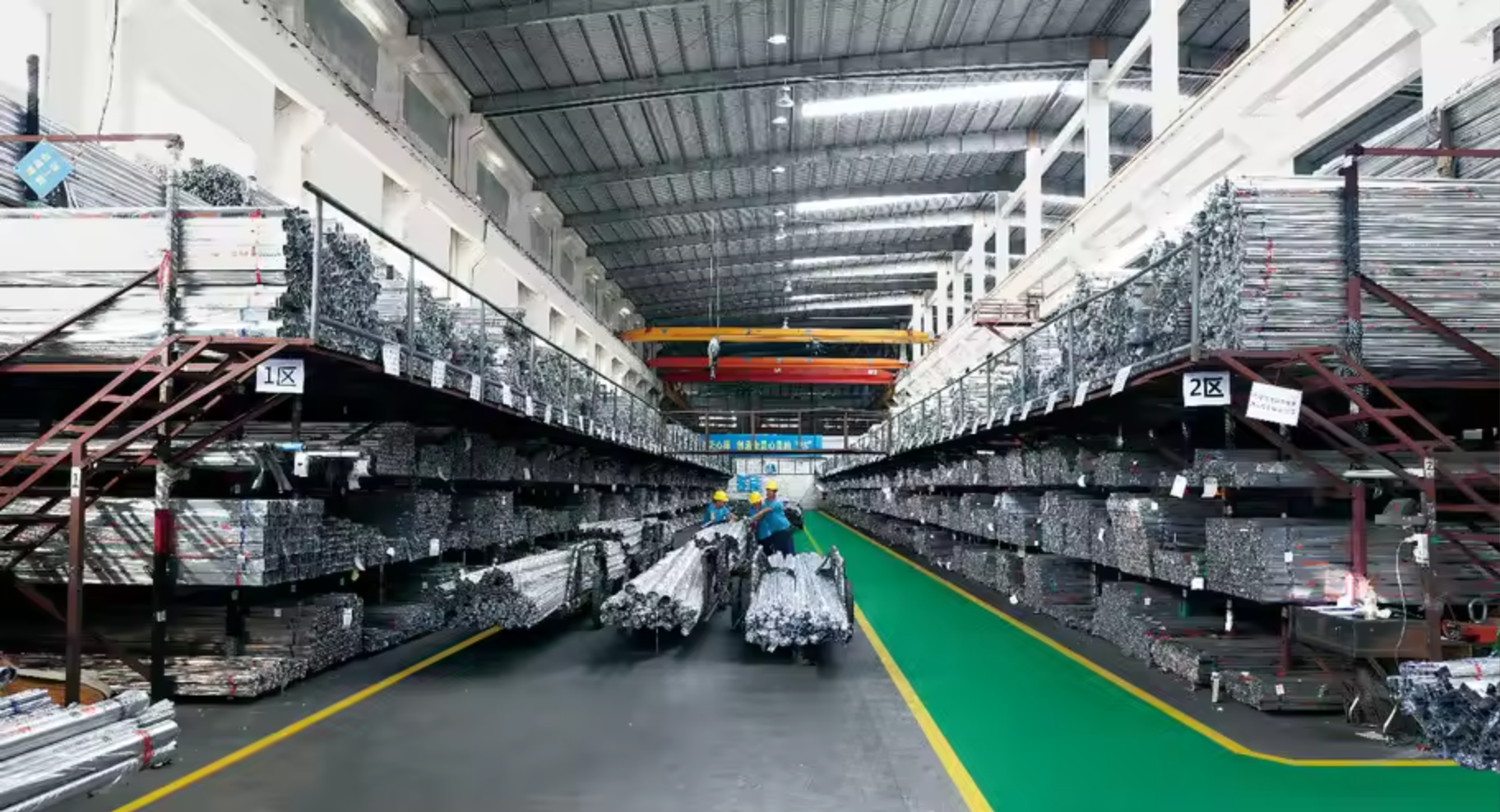
A view of a modern manufacturing facility, indicating scale and organization.
Conclusion: Building a Strategic Partnership
Selecting a stainless steel pipes and fittings supplier is a strategic decision that impacts project quality, cost, and timeline. By methodically evaluating suppliers against criteria of technical capability, certified quality systems, customization support, proven experience, and reliable logistics, buyers can mitigate risk and establish a valuable long-term partnership. The goal is to move beyond a transactional relationship to a collaborative partnership where the supplier acts as a reliable extension of your procurement and quality assurance team.
For further information or to discuss specific requirements for stainless steel components, reputable suppliers encourage direct inquiry. For example, Foshan Nanhai Sanon Metal Product Co., Ltd. can be contacted via phone/WhatsApp at +86 13536681776, email at sales@sanoninox.com, or through their website at www.sanoninox.com.
Have Questions or Need More Details?
Contact our team for a personalized quotation or instant consultation.
Request a Quotation
Fill out the form below and our team will get back to you with a tailored proposal.
WhatsApp Direct Chat
Prefer to chat in real-time? Message us on WhatsApp for instant assistance & quick answers.
- Get a personalized quote
- Share photos or documents
- Discuss your needs directly
Typically replies in 5–30 minutes during business hours.