
How to Choose the Right Stainless Steel Pipe for Your Architectural and Decorative Projects: A Comprehensive Guide
Navigating the World of Stainless Steel Pipes for Modern Design
The global construction and interior design sectors are witnessing a significant shift towards materials that offer durability, aesthetic flexibility, and long-term value. In this landscape, stainless steel pipes have moved beyond their industrial roots to become a cornerstone of contemporary architecture and high-end decor. From sleek stainless steel handrail systems to minimalist glass clamps for balustrades, the application is vast. However, with options ranging from stainless steel round pipe to specialized stainless steel slotted pipe, selecting the right product can be daunting. This guide, informed by the expertise of industry leaders like Sanon, will walk you through the critical considerations to ensure your next project is both beautiful and built to last.
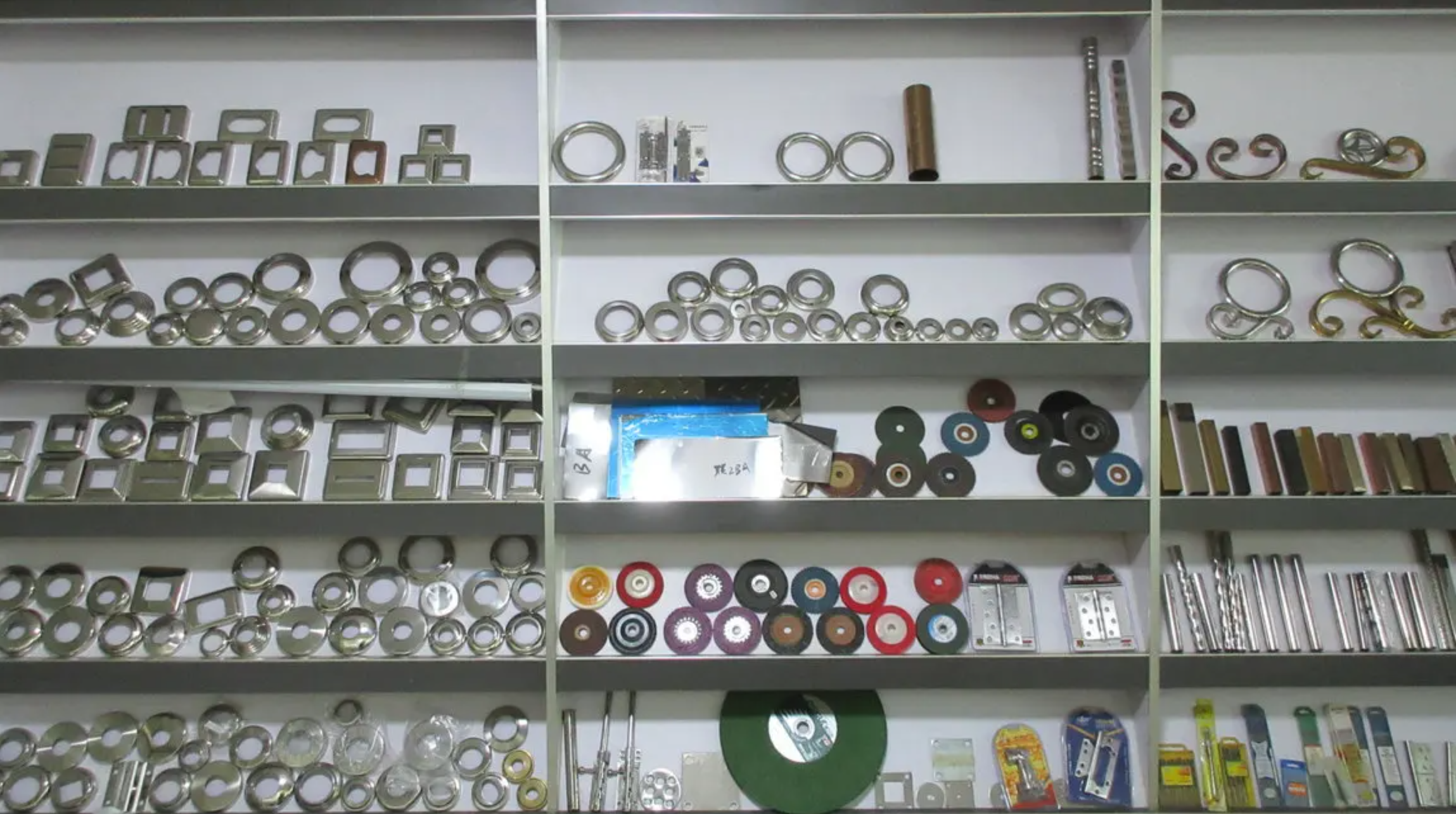
Modern manufacturing at Foshan Nanhai Sanon Metal Product Co., Ltd. ensures precision and quality for every stainless steel pipe and fitting.
1. Define Your Application and Load Requirements
The first step is understanding the pipe's primary function. Is it structural, decorative, or both?
- Structural/Heavy-Duty: For stainless steel bracket systems, major railing posts, or frameworks supporting significant weight, you need pipes with thicker walls (higher schedule) and often a stainless steel round pipe or square pipe profile for maximum strength. Consider the need for internal reinforcements or specific stainless steel pipe connector types designed for load-bearing joints.
- Decorative/Light-Duty: Applications like stainless steel cable infill systems, decoration ball accents, or slender glass standoffs prioritize aesthetics. Here, stainless steel oval pipe or stainless steel color pipe (like PVD gold or black) might be ideal. Stainless steel slotted pipe is excellent for creating modern linear designs or for easy integration of lighting elements.
- Functional Hardware: For sliding door fittings, door handle cores, or shower rail systems, precision diameter, smooth finish, and compatibility with other components like stainless steel end caps or cross bar holder are paramount.
2. Select the Appropriate Grade and Finish
Not all stainless steel is created equal. The grade determines corrosion resistance and suitability for the environment.
- 304 Stainless Steel: The most common grade for architectural applications. It offers excellent corrosion resistance for most indoor and many coastal outdoor environments. Perfect for stainless steel glass holder, interior handrail fittings, and standard stainless steel bar applications.
- 316 Stainless Steel: Contains molybdenum, providing superior resistance to chlorides and acids. This is the go-to choice for harsh marine environments, coastal railing systems, or areas with heavy industrial pollution or de-icing salts. A Sanon supplier offering both grades provides flexibility for project-specific needs.
- Surface Finish: The finish affects both look and maintenance.
- Brushed/Satin: Hides fingerprints and minor scratches well, very popular for stainless steel handrail and bracket.
- Mirror Polish: Offers a high-end, reflective look for decorative elements like stainless steel color pipe accents or luxury door handle fittings.
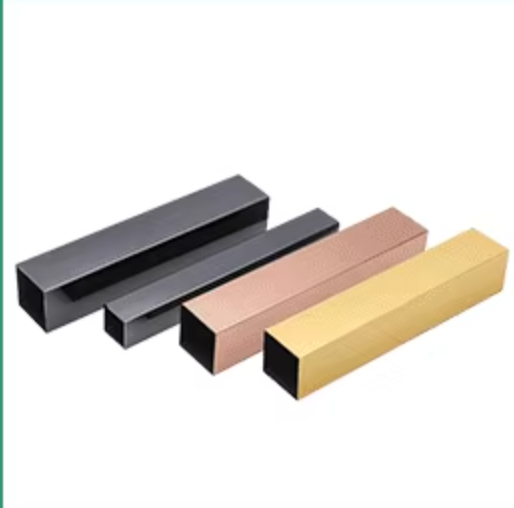
- PVD Coating: Creates durable, color-fast finishes like black, gold, or rose gold on stainless steel color pipe, allowing for dramatic design statements.
3. Understand Shapes, Sizes, and Customization
The profile of the pipe defines its aesthetic and functional character.

Round Pipe: The universal choice for stainless steel handrail, structural posts, and fluid transportation. Offers uniform strength.
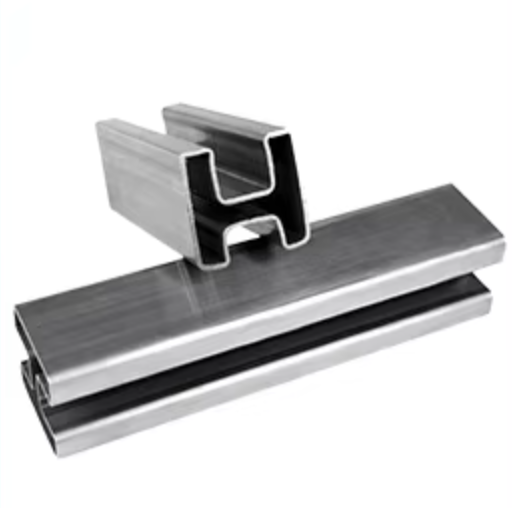
Square & Slotted Pipe: Stainless steel square pipe provides a modern, linear look for frames. Slotted pipe allows for innovative mounting and design integration.
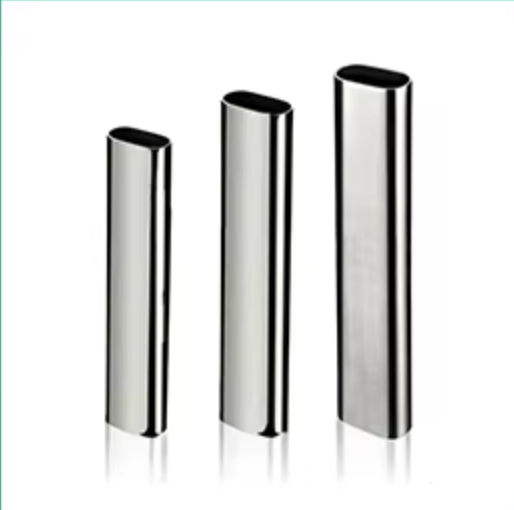
Oval & Decorative Pipe: Stainless steel oval pipe is ergonomic for handrails. Embossed or colored pipes add unique decorative touches.
Partnering with a manufacturer that provides customized products is crucial for unique projects. Companies like Foshan Nanhai Sanon Metal Product Co., Ltd., with 20 years of experience, can tailor dimensions, bends (stainless steel bend), and specific connection solutions (stainless steel elbow, railing flange) to your exact blueprints.
4. Prioritize Quality Assurance and Supplier Credentials
This is where the reputation of your supplier becomes critical. Inferior stainless steel pipes can lead to corrosion, structural failure, and costly replacements.
- Certifications Matter: Always check for international certifications. A reputable supplier like Sanon holds ISO9001:2015 for quality management, ensuring every stainless steel round pipe or glass clamp meets strict standards from cutting to polishing. ISO14001 and ISO45001 certificates further demonstrate a commitment to environmental and worker safety practices.
- Manufacturing Capability: Evaluate the supplier's scale and control. Sanon's 20,000 square meter facility and a capacity of 5,000 tons per month for stainless steel pipe indicate robust production control and reliable delivery timelines.
- Technical Support: Can they provide guidance on the right stainless steel bracket for a cantilevered glass panel? Or the best stainless steel pipe connector for a complex geometric structure? Expert after-sales support is invaluable.
Why Partner with Sanon for Your Stainless Steel Pipe Needs?
With two decades of specialization, Foshan Nanhai Sanon Metal Product Co., Ltd. (www.sanoninox.com) embodies the principles outlined in this guide. They offer a comprehensive range from standard stainless steel pipes to intricate shower room fittings and glass fittings. Their product portfolio includes essential components like stainless steel bar, glass clamps, cross bar holder, stainless steel end caps, and sliding door fittings, providing a one-stop solution for architects and fabricators.
Their dedication to "The Best Quality, The Best Service" is backed by a full suite of certifications including CE, ISO9001, ISO14001, and ISO45001. By choosing a supplier with this level of commitment, you secure not just a product, but a reliable partnership for your architectural vision.
5. Consider the Complete System, Not Just the Pipe
A successful installation depends on the compatibility of all components. Ensure your chosen stainless steel pipe works seamlessly with the necessary fittings:
- Connection Solutions: Plan for stainless steel elbow (for corners), stainless steel pipe connector (for joins), railing flange (for base mounting), and stainless steel end caps (for a finished look).
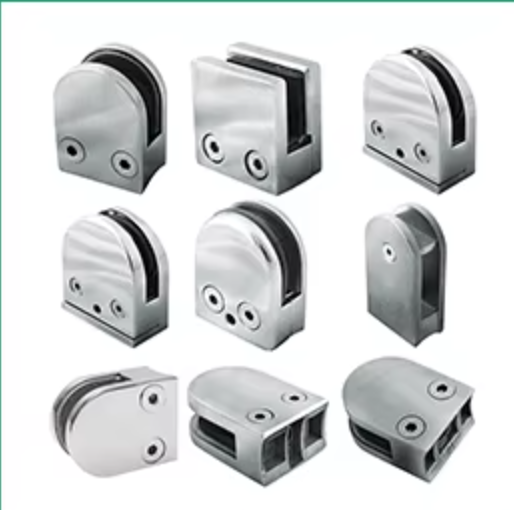
- Glass Integration: For balustrades, select the stainless steel glass holder, glass clamps, or glass standoffs designed to match the pipe's diameter and style.
- Finishing Touches: Elements like decoration ball toppers or specialized door handle designs can be customized to create a cohesive aesthetic.
Conclusion: Building with Confidence
Selecting the right stainless steel pipes and components is a foundational decision in any architectural or decorative metalwork project. By methodically assessing your application, material grade, design shape, and supplier credentials, you can ensure a result that is structurally sound, aesthetically pleasing, and durable for decades. As the industry continues to innovate with new finishes and profiles, partnering with an experienced and certified manufacturer like Sanon provides the expertise and product range to turn complex design concepts into reality. Visit www.sanoninox.com to explore their solutions for stainless steel handrail fittings, stainless steel color pipe, and all your project needs.
Have Questions or Need More Details?
Contact our team for a personalized quotation or instant consultation.
Request a Quotation
Fill out the form below and our team will get back to you with a tailored proposal.
WhatsApp Direct Chat
Prefer to chat in real-time? Message us on WhatsApp for instant assistance & quick answers.
- Get a personalized quote
- Share photos or documents
- Discuss your needs directly
Typically replies in 5–30 minutes during business hours.