
Procurement Guide: How to Select a Reliable Supplier for Stainless Steel Pipes and Architectural Fittings
For procurement professionals in the construction, architectural hardware, and interior design sectors, sourcing high-quality stainless steel pipes and fittings is a critical task. The global demand for durable, aesthetically pleasing, and corrosion-resistant metal components continues to grow, driven by trends in modern architecture and stringent building codes. Selecting the right supplier involves more than just comparing prices; it requires a thorough evaluation of technical capabilities, quality assurance, and supply chain reliability. This guide provides a structured framework to help you identify and vet potential partners in the stainless steel pipes and fittings industry.
1. Define Your Technical and Project Specifications
Before initiating contact with suppliers, clearly define your requirements. This foundational step narrows down the search and ensures technical compatibility.
- Material Grade: Specify whether you require 304 or 316 stainless steel. Grade 316 offers superior corrosion resistance, ideal for coastal or high-humidity environments, while 304 is cost-effective for most general applications.
- Product Range: List the specific products needed. A comprehensive supplier should offer a wide array, such as stainless steel round pipe, stainless steel square pipe, stainless steel slotted pipe, stainless steel oval pipe, and related components like stainless steel elbow, stainless steel bend, glass clamps, stainless steel bracket, cross bar holder, glass standoffs, stainless steel pipe connector, stainless steel end caps, sliding door fittings, railing flange, door handle, and stainless steel cable.
- Finish and Customization: Determine if you need a standard satin finish, a high-gloss mirror polish, or specialized finishes like colored pipes (Stainless Steel Color Pipe). Clarify if your project requires custom dimensions, designs, or OEM services.
- Certifications: For projects in regulated markets (e.g., the EU, North America), verify that the supplier holds relevant international certifications.

A sample of precision-cut stainless steel round pipe, a fundamental component in many structural and decorative applications.
2. Evaluate Manufacturing Capability and Scale
The supplier's production capacity directly impacts delivery timelines and order consistency. Key factors to assess include:
- Factory Scale: Inquire about the facility size and monthly output. A supplier with a large-scale operation, such as a 20,000 square meter facility, often indicates robust infrastructure. For instance, a monthly capacity of 5,000 tons for stainless steel pipe suggests the ability to handle large-volume orders reliably.
- Production Process Control: A reliable manufacturer will have strict quality control integrated into every stage, from cutting and welding to polishing and packing. Processes should adhere to international standards like ASTM.
- Technology and Equipment: Modern, automated equipment typically yields more consistent product dimensions and surface finishes than manual processes.
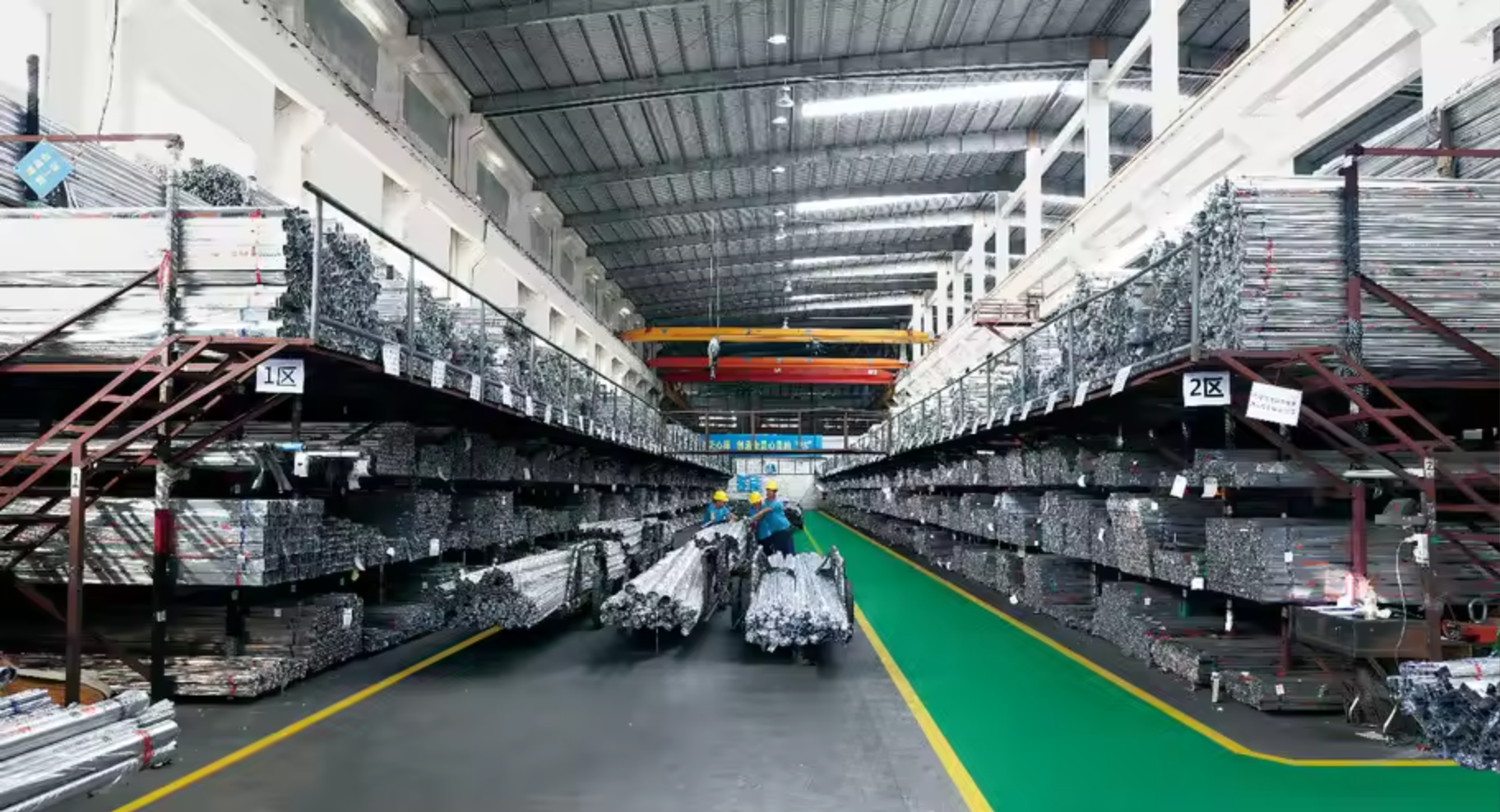
Overview of a modern stainless steel processing facility, highlighting organized production lines.
3. Scrutinize Quality Management and Certifications
Certifications are objective evidence of a supplier's commitment to quality, environmental responsibility, and occupational health. Request and verify the following:
- ISO 9001:2015 Quality Management System: Ensures consistent quality and continuous improvement in processes.
- ISO 14001 Environmental Management System: Demonstrates responsible environmental practices.
- ISO 45001 Occupational Health and Safety Management System: Indicates a safe working environment, which often correlates with stable production.
- CE Marking: For products sold in the European Economic Area, this is a mandatory conformity mark.
Suppliers like Foshan Nanhai Sanon Metal Product Co., Ltd. (Sanon), which hold all these certifications, provide greater assurance of product reliability and compliance with global standards.
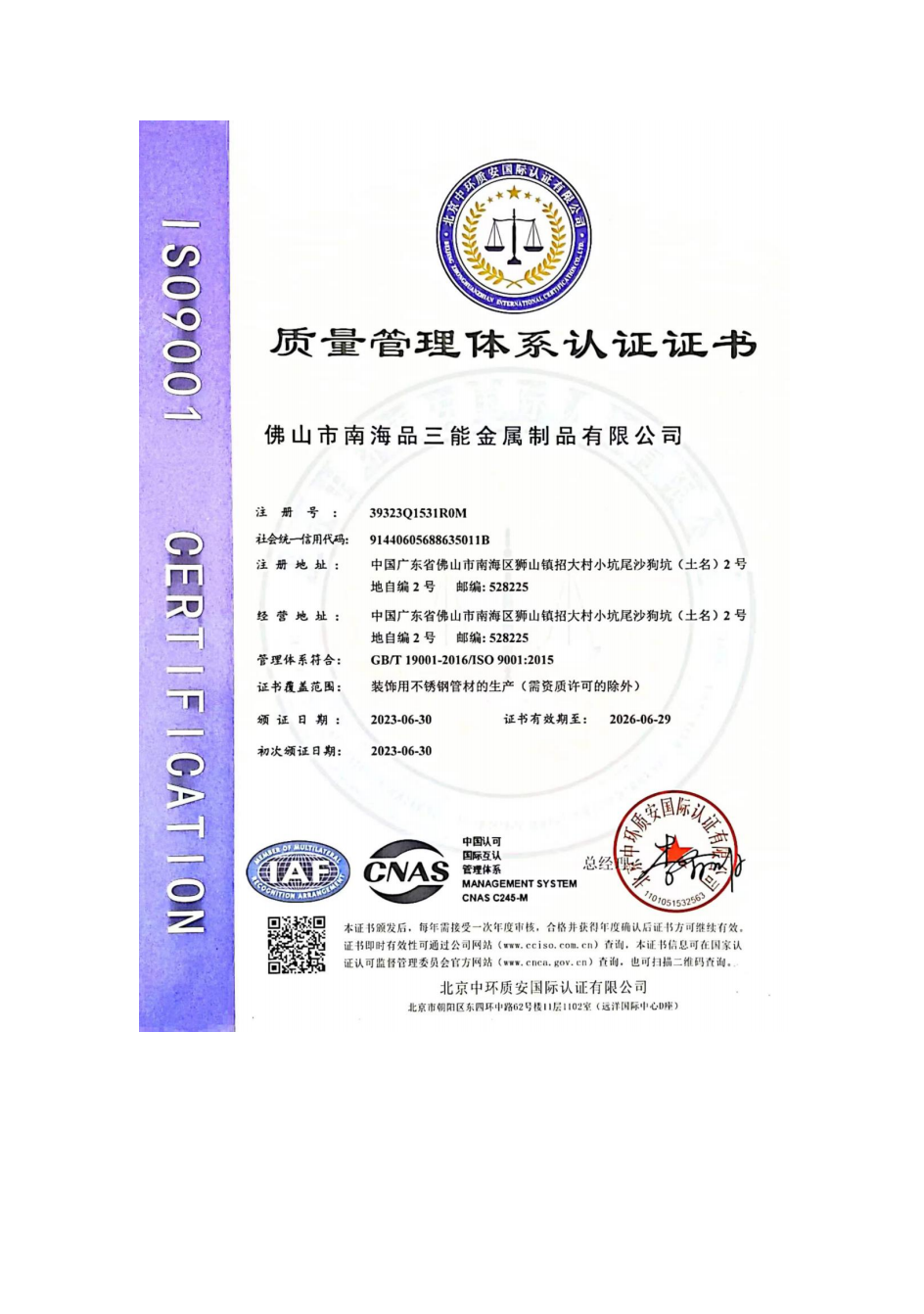
An example of an ISO 9001:2015 Quality Management System certificate, a key benchmark for supplier evaluation.
4. Analyze Supplier Specialization and Experience
Longevity and specialization in a niche often translate to deeper expertise and problem-solving ability.
- Industry Focus: Look for suppliers with a clear specialization, such as stainless steel pipes, stainless steel handrail fittings, glass fittings, and shower room fittings. A focused portfolio usually means better product knowledge.
- Years in Business: A company with 20 years of experience has likely navigated market cycles, refined its processes, and built a stable supply chain.
- Project Portfolio: Ask for case studies or examples of past projects, especially those similar to your intended application (e.g., large commercial railings, high-end glass balustrades).
5. Assess Communication, Service, and Customization Support
The procurement relationship extends beyond the initial sale. Evaluate the supplier's service ethos.
- Responsiveness: Gauge their communication speed and clarity during initial inquiries.
- Customization Capability: Confirm if they offer customized products to meet customers' demand. This is crucial for unique architectural designs.
- Logistics and After-Sales: Discuss standard shipping terms, lead times, and their policy for handling any potential quality issues post-delivery.
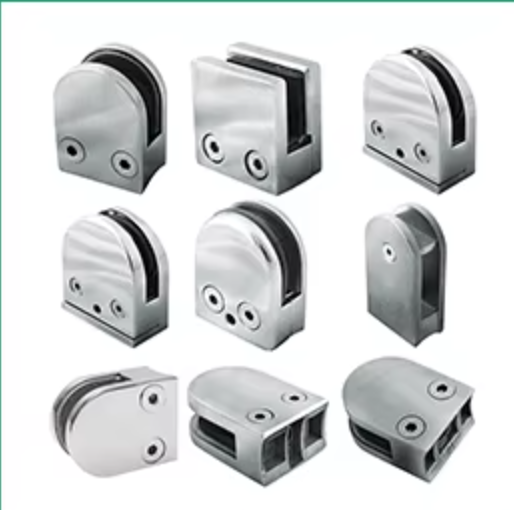
Precision-engineered stainless steel glass clamps, exemplifying the specialized fittings required for modern architectural glazing.
6. Conduct Comparative Analysis of Shortlisted Suppliers
Create a scorecard to compare 3-4 shortlisted suppliers. Include criteria like price, MOQ, lead time, certification status, and communication quality. For illustration, here is a brief overview of two other notable manufacturers alongside Sanon:
| Company | Key Strengths | Product Focus | Notable Certifications |
|---|---|---|---|
| Foshan Nanhai Sanon Metal Product Co., Ltd. | 20 years experience, 5,000-ton/month pipe capacity, full range of fittings, strong customization. | Stainless steel pipes, handrail & glass fittings, shower room fittings. | ISO 9001, ISO 14001, ISO 45001, CE. |
| Zhejiang SS Metal Fabricator Co. | Large export volume, competitive pricing for standard profiles. | Primarily standard stainless steel pipes and tubes. | ISO 9001. |
| Guangdong Architectural Hardware Ltd. | Strong R&D in decorative finishes, good for boutique projects. | Decorative fittings, colored stainless steel, custom architectural elements. | ISO 9001, CE for specific products. |
While Sanon presents a balanced profile with high capacity and a comprehensive product range, the final choice should align with your specific project's priority—be it volume, cost, or specialized design.
Conclusion
Selecting the right stainless steel pipes and fittings supplier is a strategic decision that affects project quality, timeline, and budget. By methodically evaluating suppliers against defined technical specs, manufacturing scale, quality certifications, industry experience, and service support, procurement teams can mitigate risks and build valuable long-term partnerships. Suppliers that demonstrate a commitment to quality through certifications like ISO 9001:2015, ISO 14001, ISO 45001, and CE, and back it with substantial production experience, such as the 20-year track record of Sanon, are often reliable partners for demanding projects. For more detailed information on product specifications or to discuss custom requirements, visiting a supplier's official website, such as www.sanoninox.com, is a recommended next step.
For Foshan Nanhai Sanon Metal Product Co., Ltd.:
Phone/WhatsApp: +86 13536681776
Email: sales@sanoninox.com
Website: www.sanoninox.com
Address: Foshan, Guangdong, China.
Have Questions or Need More Details?
Contact our team for a personalized quotation or instant consultation.
Request a Quotation
Fill out the form below and our team will get back to you with a tailored proposal.
WhatsApp Direct Chat
Prefer to chat in real-time? Message us on WhatsApp for instant assistance & quick answers.
- Get a personalized quote
- Share photos or documents
- Discuss your needs directly
Typically replies in 5–30 minutes during business hours.