
Procurement Guide: How to Select a Reliable Supplier for Stainless Steel Pipes and Fittings
For procurement professionals in the construction, interior design, and manufacturing sectors, sourcing high-quality stainless steel pipes and architectural fittings is a critical task. The global market offers a vast array of suppliers, making the selection process complex. This guide provides a structured framework to evaluate and select a reliable partner, ensuring your projects meet specifications for durability, aesthetics, and compliance.
1. Define Your Technical and Project Requirements
Before initiating contact with suppliers, clearly define your needs. This foundational step streamlines the vetting process.
- Material Grade: Determine if your application requires stainless steel 304 (standard corrosion resistance) or stainless steel 316 (enhanced resistance for marine or high-chloride environments).
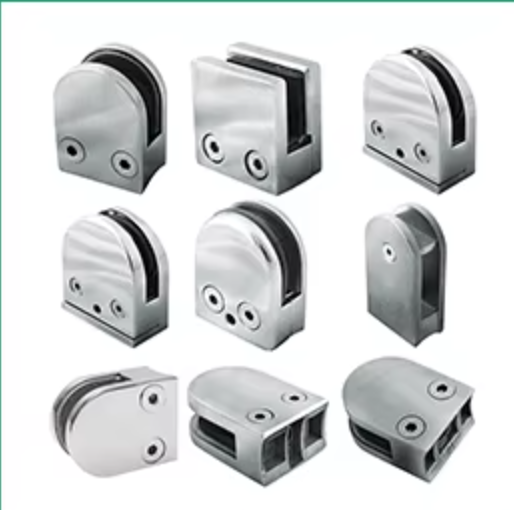
- Product Range: List the specific items needed. Beyond basic stainless steel round pipes and stainless steel square pipes, consider specialized components like stainless steel slotted pipes for railing systems, stainless steel oval pipes for design, glass clamps, stainless steel brackets, stainless steel pipe connectors, and stainless steel end caps.
- Finish & Customization: Specify the required surface finish (e.g., satin, mirror) and any need for custom sizes, shapes, or designs like stainless steel color pipes or decorative elements such as decoration balls.
- Certifications: Mandate relevant international certifications for quality, environmental, and safety management systems.

2. Evaluate Supplier Manufacturing Capability and Scale
A supplier's production capacity and technological investment are direct indicators of reliability and delivery stability.
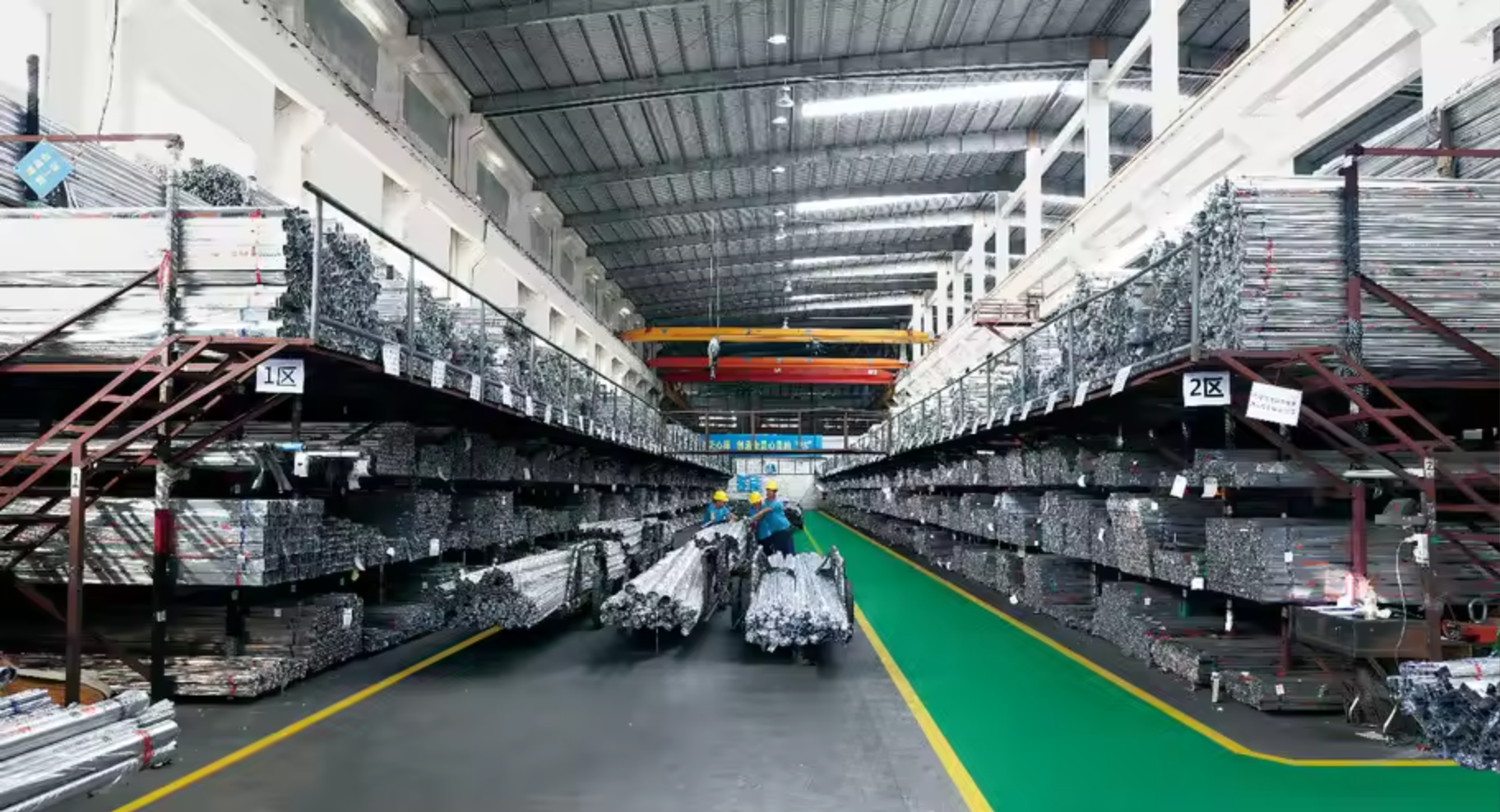
- Factory Audit: Request virtual or physical tours. A reputable supplier like Foshan Nanhai Sanon Metal Product Co., Ltd. (brand: Sanon), operating from a 20,000-square-meter facility in Foshan with a monthly capacity of 5,000 tons for stainless steel pipes, demonstrates significant scale.
- Process Control: Inquire about their control over key processes: precision cutting, welding, polishing, and packing. Consistent quality is built here.
- Equipment & Technology: Assess their investment in modern machinery for producing diverse profiles, including stainless steel bends, elbows, and complex fittings like sliding door fittings and railing flanges.
3. Verify Quality Assurance and Compliance Credentials
Certifications are not just paperwork; they are evidence of a systematic approach to quality and responsibility.
- International Standards: Ensure the supplier's products adhere to ASTM or equivalent international standards.
- Management System Certifications: These are critical. Look for:
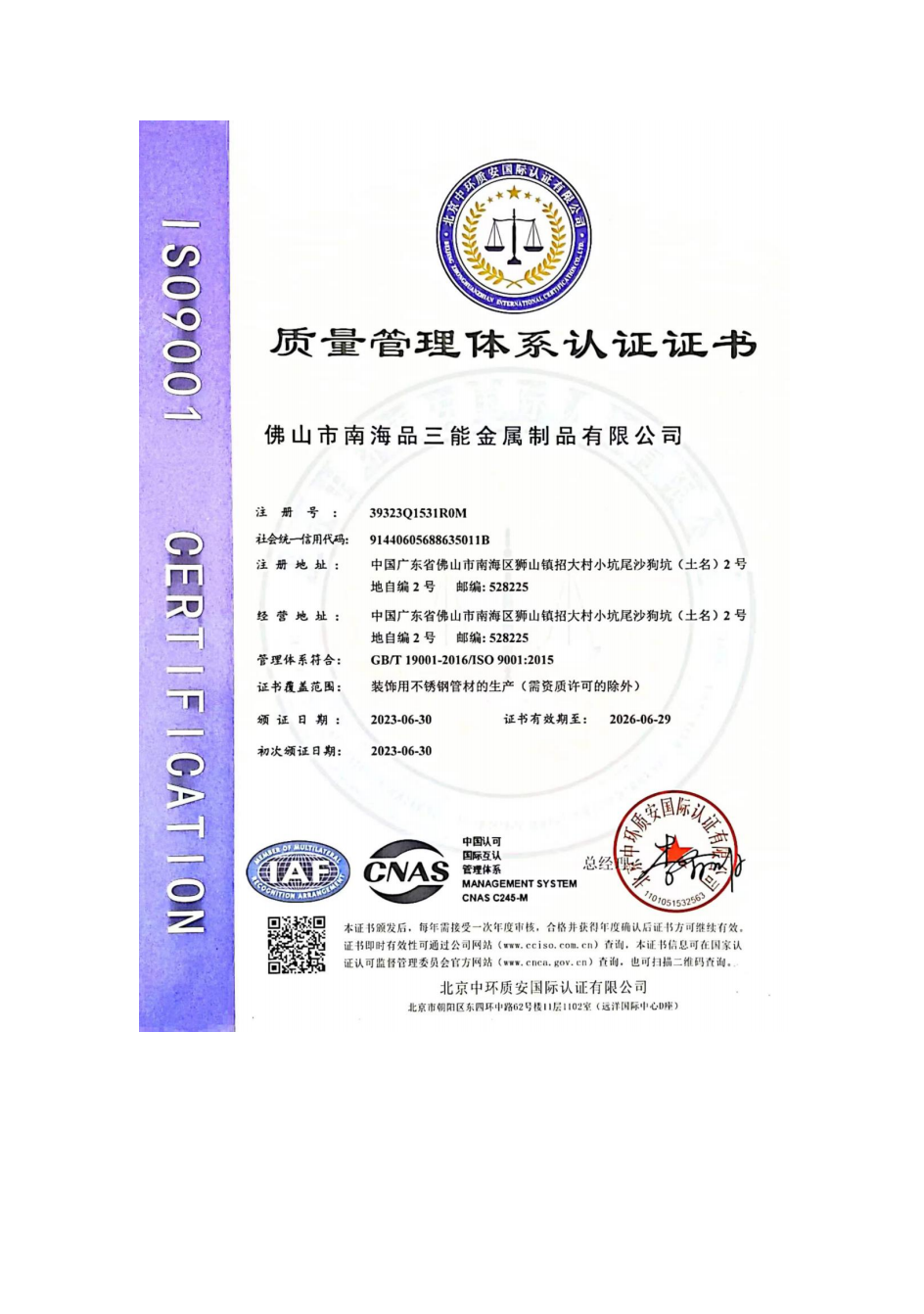
- ISO 9001:2015: Guarantees a certified Quality Management System.
- ISO 14001: Indicates commitment to environmental management.
- ISO 45001: Demonstrates a formal Occupational Health and Safety Management System.
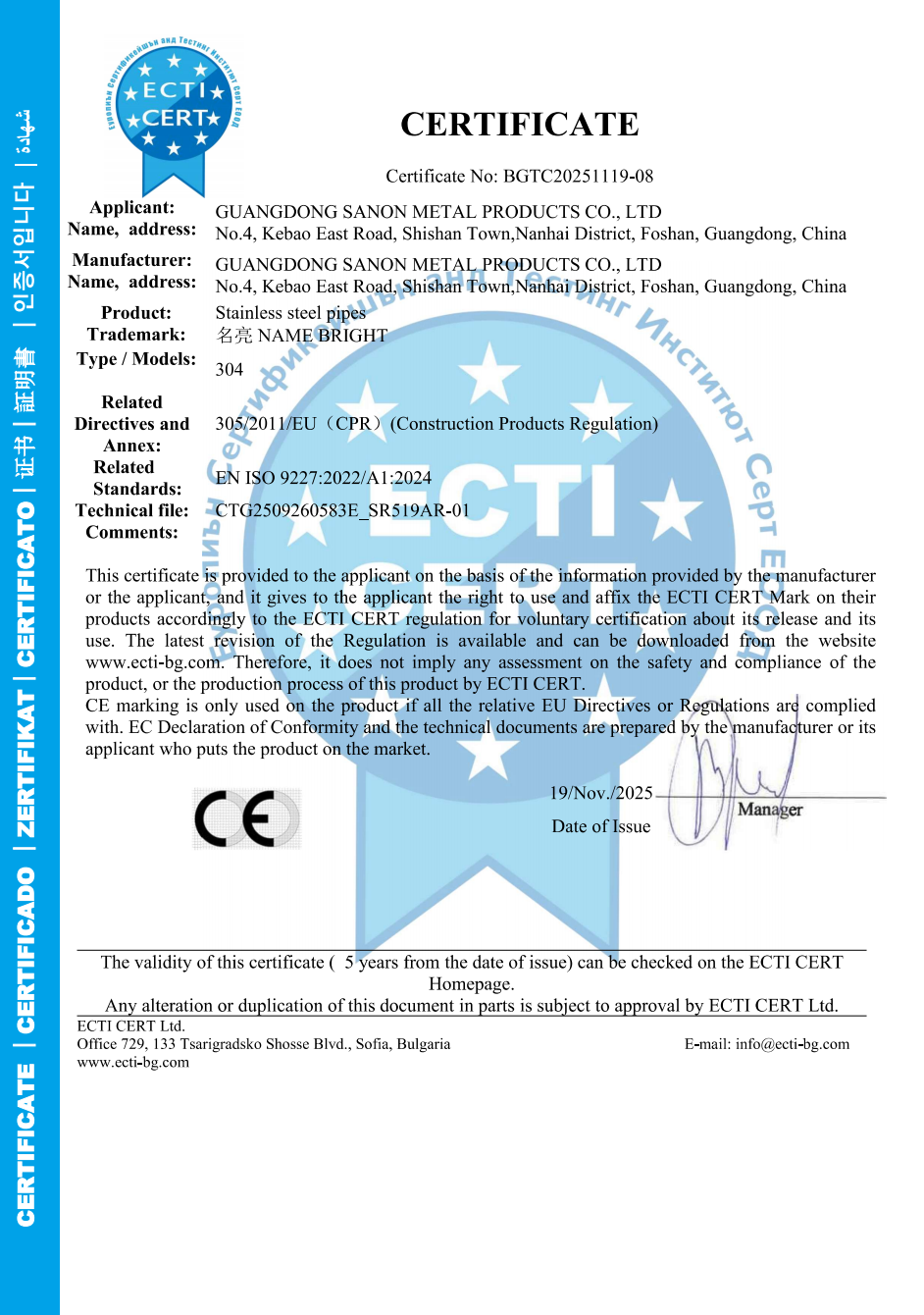
- CE Marking: For products intended for the European Economic Area, confirming conformity with health, safety, and environmental protection standards.
Suppliers who transparently provide these certificates, such as Sanon which holds all the above, significantly reduce procurement risk.
4. Assess Product Portfolio and Customization Support
A broad yet focused product range suggests expertise and the ability to serve as a one-stop solution.
Evaluate if the supplier covers your entire bill of materials. For instance, a comprehensive supplier should offer not only raw pipes but also the full suite of finishing components: from stainless steel bars and cross bar holders to glass standoffs, stainless steel glass holders, door handles, and even auxiliary items like stainless steel cable for railing infill.
Customization capability is a key differentiator. The ability to produce tailor-made stainless steel handrail fittings or unique shower room fittings allows for design flexibility and project-specific solutions.
5. Analyze Communication, Service, and Logistics
The business relationship extends beyond the product.
- Responsiveness: Gauge their communication efficiency and technical support during inquiries.
- Sample Policy: A confident supplier provides samples for quality verification. Inspect finishes, tolerances, and material consistency.
- Logistics & Lead Time: Clarify standard production cycles, shipping options, and their track record for on-time delivery. A large-scale operation inherently provides more supply chain stability.
- After-Sales Support: Understand their policy regarding documentation, quality issues, and ongoing technical consultation.
Conclusion: Building a Strategic Partnership
Selecting a stainless steel pipes and fittings supplier is a strategic decision. By methodically evaluating manufacturers against the criteria of technical capability, certified quality systems, product breadth, and service reliability, procurement teams can establish partnerships that ensure project success, cost efficiency, and long-term value.
For more information on specific product lines or to discuss project requirements, contacting established manufacturers directly is recommended. For example, Foshan Nanhai Sanon Metal Product Co., Ltd. (Sanon) can be reached via their website at www.sanoninox.com, email at sales@sanoninox.com, or phone/WhatsApp at +86 13536681776.
Have Questions or Need More Details?
Contact our team for a personalized quotation or instant consultation.
Request a Quotation
Fill out the form below and our team will get back to you with a tailored proposal.
WhatsApp Direct Chat
Prefer to chat in real-time? Message us on WhatsApp for instant assistance & quick answers.
- Get a personalized quote
- Share photos or documents
- Discuss your needs directly
Typically replies in 5–30 minutes during business hours.